Cosmetocare
Built during a paid internship at ThinkTouchSolution, Cosmetocare is a professional cosmetic safety platform. As the primary full-stack developer, I engineered the entire frontend and backend architectures, integrated Clerk authentication, built a PostgreSQL/Supabase database layer, and handled testing. The platform was highly praised for its creative design, beautiful interface, and curated visual/video assets, and was delivered months ahead of the original client deadline.
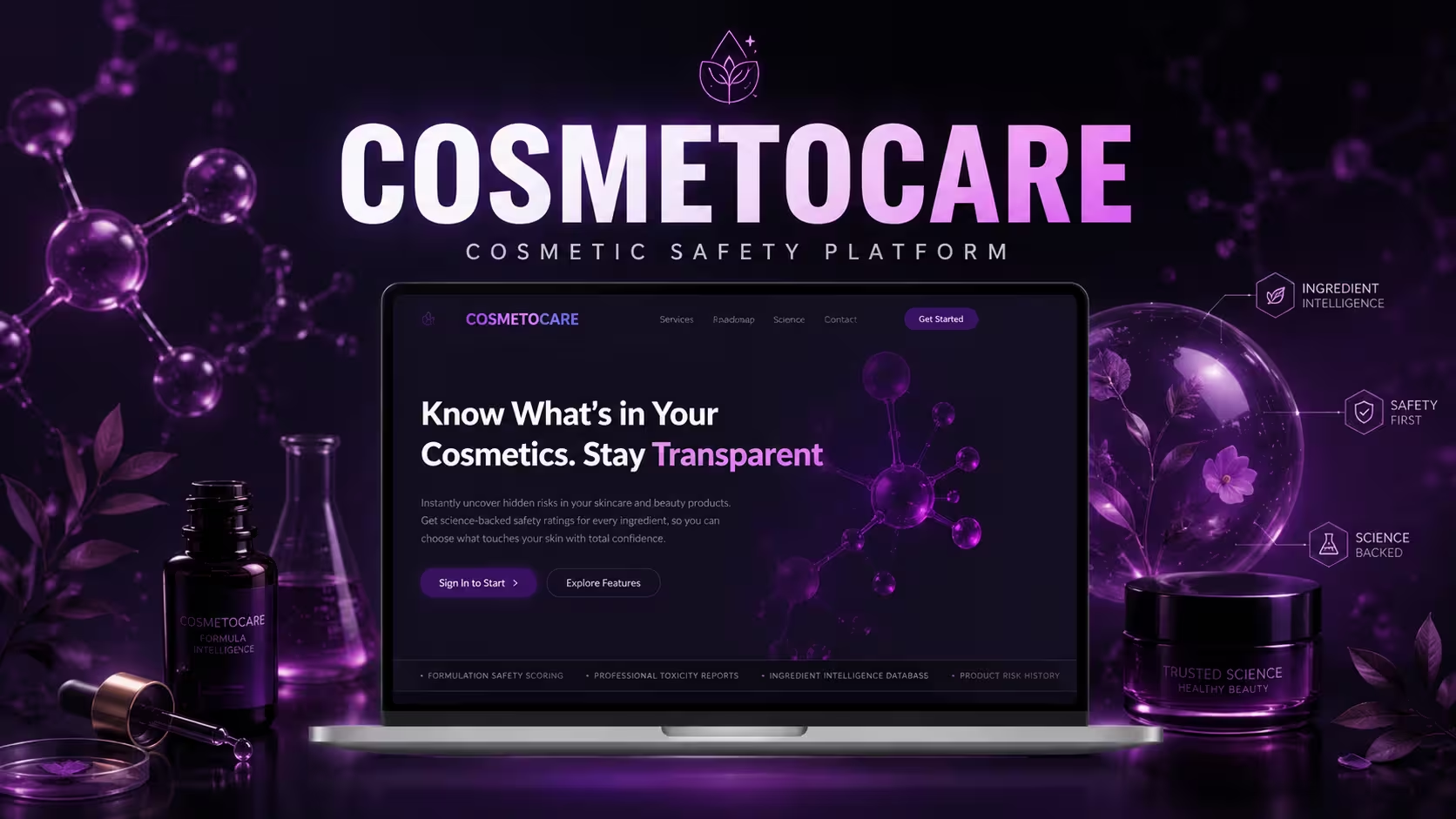
About This Project
Designing and testing a secure, production grade cosmetic hazard platform under strict timelines, integrating role based authentication and a robust database.
Personally developed the complete frontend and backend using Next.js, FastAPI, and Supabase, integrated Clerk for user session management, and authored a comprehensive test suite.
Completed and shipped the platform months ahead of schedule, earning high praise from stakeholders for the creative design, interface aesthetic, and custom media assets.
Full-stack & AI Developer
2026
Private
Client
Technology Stack
Project Story
Designing and testing a secure, production grade cosmetic hazard platform under strict timelines, integrating role based authentication and a robust database.
Personally developed the complete frontend and backend using Next.js, FastAPI, and Supabase, integrated Clerk for user session management, and authored a comprehensive test suite.
Completed and shipped the platform months ahead of schedule, earning high praise from stakeholders for the creative design, interface aesthetic, and custom media assets.
Insights & Takeaways
Highlights
- Independently owned end to end frontend, backend, database integration, and testing workflows.
- Delivered months before the client's deadline, receiving high praise.
- Created and compiled custom assets, including promotional videos, imagery, and UI states.
Challenges
- Balancing rapid development speed with rigorous frontend/backend testing requirements to deliver early.
- Designing highly creative layouts and custom motion assets that maintain exceptional visual quality.
Lessons Learned
- Strict focus on automated testing and design guidelines early in development allows complex projects to be completed way ahead of schedule.
Related Work
Case Study
Auto Shutdown
Rust + React desktop app to automate PC shutdowns by timer, schedule or idle state.
Case Study
Azkari
Lightweight desktop app that displays Azkar reminders based on time of day, built with Tauri, SolidJS, TypeScript and Rust.
Case Study
Chef Kit
Modern multilingual cooking app offering recipe discovery, chef profiles, inventory management, favourites and push notifications, built with Flutter, Dart and Flask.
